September 24, 2026 | News
On 24 September 2026, the first BETTED workshop organised by Riga Technical University (RTU) brought together stakeholders from the food sector to explore how sustainability assessment, energy efficiency and life-cycle thinking can support more sustainable food value chains.
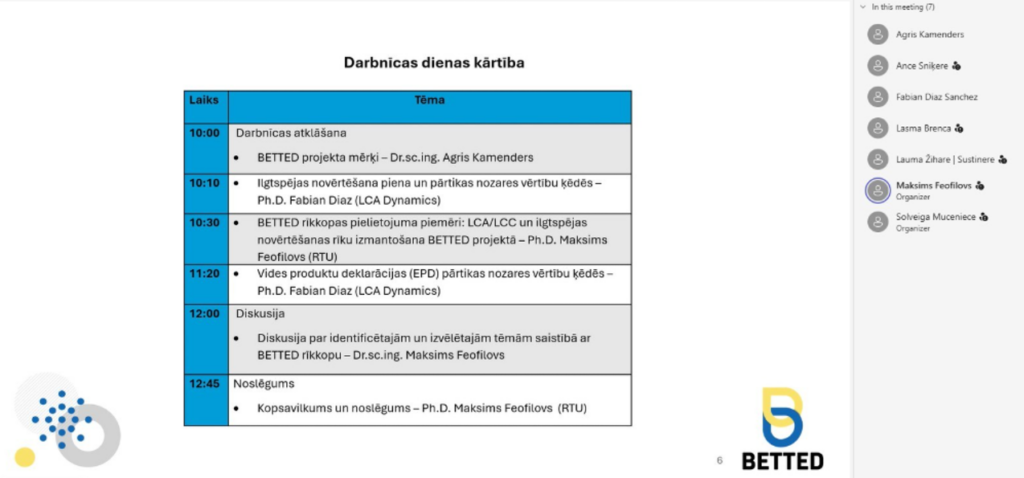
Held online under the title “Sustainability in the Food Sector – From Requirements to Practical Tools”, the workshop focused on increasing awareness and knowledge among different stakeholders linked to the dairy and food sectors and on exploring the potential of coordinating actions across the value chain, including energy and non-energy experts, sustainability professionals and other actors who can contribute to the energy and sustainability transition of the sector.
From Life Cycle Thinking to Practical Assessment
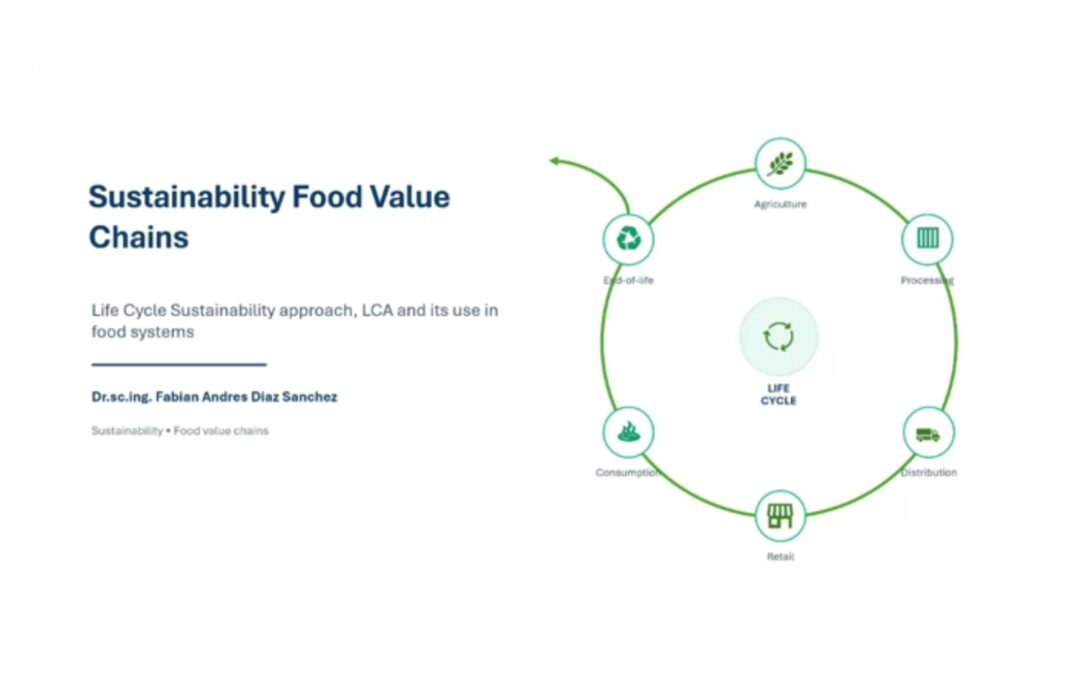
The workshop introduced participants to sustainability assessment and life-cycle thinking in food value chains, highlighting the complexity of environmental impacts across different stages, from primary production and processing to transport, refrigeration, storage, retail and consumption.
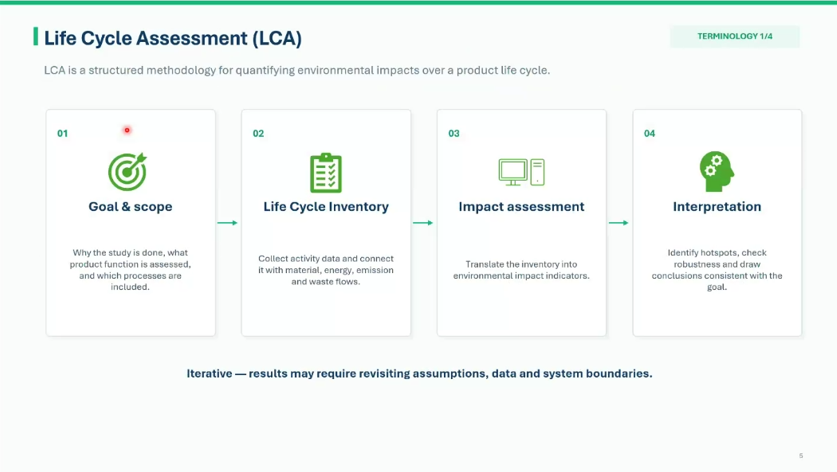
Particular attention was given to Life Cycle Assessment (LCA) as a way of identifying environmental hotspots and understanding how impacts are distributed throughout a value chain. The discussion also highlighted the importance of considering sustainability from a broader perspective, taking into account not only environmental performance but also economic and social aspects.
Exploring the BETTED project tools
A central part of the workshop was the demonstration of the BETTED platform and its practical assessment tools, covering areas such as energy consumption, Life Cycle Assessment, Life Cycle Costing, biogas, heat pumps, sustainability self-assessment and energy-saving potential.
Using dairy examples, participants explored how information on transport, refrigeration, packaging, storage, energy and water consumption, waste and wastewater treatment can be incorporated into the assessment tools. The demonstration on LCA tool showed how it can help users identify potential environmental hotspots and compare different supply-chain scenarios.
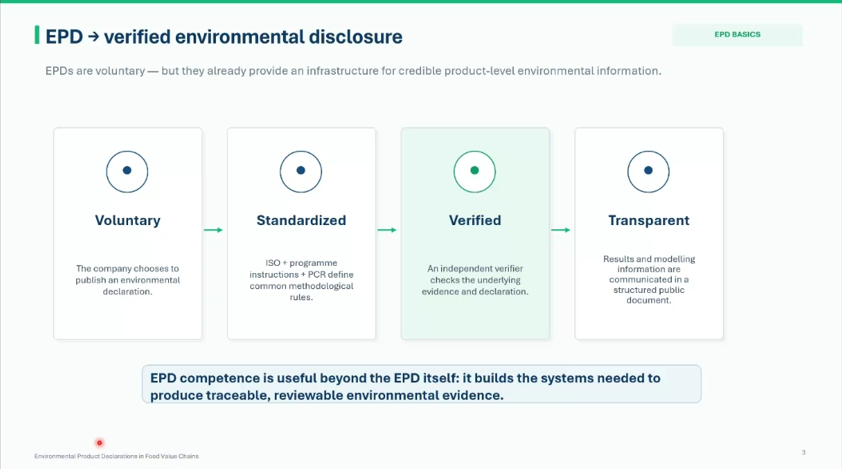
The workshop also addressed Environmental Product Declarations (EPDs) and discussed how verified environmental information can increase transparency and support communication of product environmental performance.
The interactive discussion provided valuable insights into stakeholders’ priorities. Energy costs and profitability emerged among the most important current concerns for the food sector, alongside energy efficiency, labour availability and climate change.
Participants also highlighted the importance of investment, knowledge, digitalisation, renewable energy, circular economy approaches and product traceability. A key message was that companies need not only technical solutions, but also a clear understanding of the economic and operational benefits associated with sustainability measures.
Among the main barriers to broader implementation of sustainability assessment were data availability, costs, limited experience and expertise, and insufficient regulatory or market incentives.
Supporting the transition from awareness to action
The first BETTED workshop celebrated in Latvia highlighted the importance of combining knowledge, practical tools, reliable data and cooperation across the value chain to support the food sector’s sustainability transition.
The discussions demonstrated how tools such as the BETTED sustainability resources can provide an accessible starting point for companies and stakeholders to better understand their energy and environmental performance, identify potential hotspots and explore improvement opportunities.
The workshop concluded by encouraging participants to continue exploring the BETTED platform and its resources, provide feedback and engage with the project team on potential applications and further sustainability assessments.